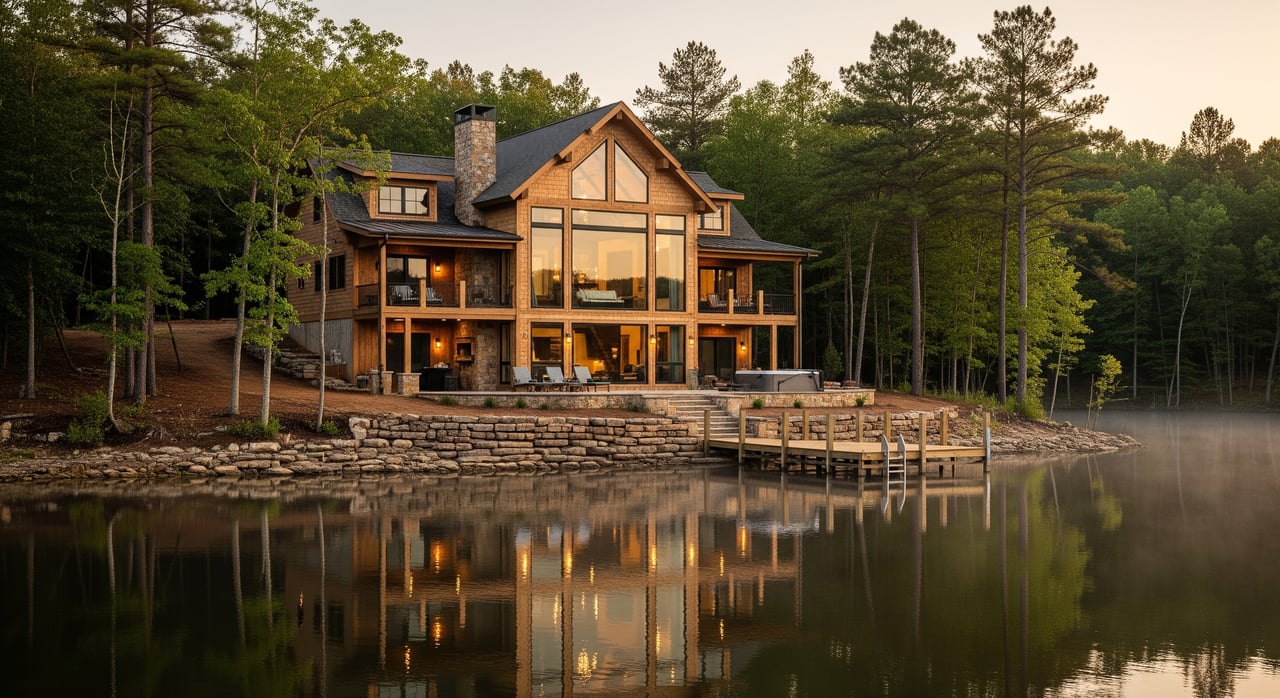
Dreaming of a cabin tucked under the pines near Broken Bow Lake, where you can unplug for a weekend or host paying guests when you’re away? You’re not alone. Broken Bow and the Beavers Bend/Hochatown area attract second‑home seekers and early short‑term‑rental investors thanks to easy access from nearby metros and strong outdoor appeal. In this guide, you’ll learn how this market works, what drives value, and the due diligence that protects your purchase. Let’s dive in.
Why Broken Bow cabins are different
Buying a cabin here is not the same as buying a primary home in town. You’ll see more cash offers, especially on properties that perform well as short‑term rentals. Your priorities will likely center on location to the lake and park, privacy, and amenities rather than daily commute or school zones. Rules for operating and insuring a rental also play a bigger role in your decision.
Inventory and price drivers
Cabin types you’ll see
- Lakefront or riverfront cabins with water views or access. These draw the most interest and often price premiums.
- Homes in gated or planned communities near Beavers Bend with shared amenities and HOA rules.
- Wooded or acreage lots offering privacy and flexibility for new builds.
- Turnkey, high‑amenity cabins marketed for STR, often with hot tubs, game rooms, and outdoor living spaces.
What pushes prices up
- Proximity to Beavers Bend State Park and Broken Bow Lake. A short, convenient drive often commands higher pricing and better rental demand.
- Waterfront status. Direct lake or river frontage is typically the largest single premium, but verify any dock rights and maintenance details.
- Lot size and seclusion. Bigger, more private sites appeal to guests, though maintenance and driveway care may cost more.
- Amenity package. Private hot tubs, expansive decks, game rooms, theater spaces, chef kitchens, and quality outdoor areas move the needle.
- Condition and age. Newer or fully renovated cabins support higher nightly rates and resale values.
- Access and road quality. Year‑round paved access is a guest‑friendly plus, while steep or unmaintained roads can be a drawback.
- Utilities and infrastructure. Septic capacity limits bedroom count. Know whether you’re on a well or public water and confirm electrical service and any backup power.
Seasonality and rental demand
Peak demand typically runs late spring through early fall, with big spikes for summer lake season and holiday weekends. Fall foliage and winter holidays can also be strong. Late fall and late winter to early spring usually bring softer demand, and many owners run discounted midweek or off‑season specials.
If you’re modeling STR income, look at average annual occupancy, average daily rate, and monthly seasonality. Platforms that analyze STR data can help you understand how location and amenities influence ADR and occupancy patterns over the year.
Due diligence that protects you
Location and micro‑location checks
Drive times matter because walkability is rare. Map the distance to Beavers Bend State Park, Broken Bow Lake boat ramps, and Hochatown dining and retail. Inspect the road type to the property and within the neighborhood. Paved and county‑maintained routes improve the guest experience and may influence insurability.
If the home is on the water or offers water access, confirm what is private, shared, or community‑controlled. Ask about dock permissions and ongoing maintenance obligations. Review floodplain status and any local shoreline rules that could affect future improvements.
Lot, septic, and water
Evaluate topography, tree cover, and drainage. Flat or gently sloped lots are easier to maintain, while elevated sites may offer views with higher build and driveway costs.
Septic systems are critical. The permitted septic capacity often sets your legal bedroom count, which affects rental marketing. Verify permits and capacity with county records. For water, learn whether the home uses a private well or public connection and confirm recent water testing or known area restrictions.
Structure and amenity inspections
Cabins are often wood construction. Inspect foundations, roofs, and exterior wood for rot or insect damage. Have fireplaces, chimneys, and wood‑burning appliances checked for safety and code compliance. Test hot tubs, pools, and mechanical systems. Confirm electrical service capacity, especially in older cabins that may need upgrades. Ask about heating fuel type and whether a backup generator is included.
Operating costs you should plan for
- Utilities: electricity, heating fuel, well pump maintenance, and septic pumping
- Property management: full‑service or limited options, plus cleaning and per‑booking fees
- Routine upkeep: tree work, erosion control, driveway grading or repairs
- Insurance: homeowner, potential STR endorsements, flood if required
- Taxes and assessments: county property taxes and any rural district fees
- Reserve for repairs and amenities: furniture replacement, HVAC and roof lifecycle
Financing, insurance, and taxes
Loans for second homes and STRs
Financing rules differ for second homes versus investment properties. Investment loans usually require higher down payments and different underwriting than owner‑occupied second homes. Appraisals can be variable if your property is unique or comps are scarce, which is one reason cash offers are common. Some lenders consider documented rental income, but standards vary. Collect records such as prior rental statements, management reports, and tax returns when available.
Insurance and risk
You’ll want coverage that matches rural cabin realities. Policies often need endorsements for wind or hail, roof age, and water backup. Flood insurance is separate from homeowner policies and may be required based on FEMA flood zone status. Wooded settings can increase wildfire and liability exposure. Risk‑reduction steps like defensible space and spark‑safe chimney components are worth evaluating. If you plan to rent, confirm that your policy allows short‑term rental activity or add a dedicated STR endorsement.
Taxes, licensing, and STR rules
Property taxes are local to McCurtain County. If you plan to operate an STR, expect lodging or transient occupancy taxes and possible state sales tax obligations. Some platforms may collect certain taxes, but it is your responsibility to verify registration and remittance. Local ordinances and HOA rules can set occupancy limits, parking standards, noise expectations, and sometimes cap STR density. Confirm requirements with McCurtain County, the City of Broken Bow, and any applicable HOA before you buy.
STR operations and guest experience
Revenue and expense basics
Your top revenue levers are nightly rate, occupancy, seasonality, and minimum stay rules. Location and amenities such as a hot tub, water access, or pet‑friendly policies can materially improve demand.
Your main expenses include management fees, platform commissions, utilities, cleaning, routine maintenance, supplies, marketing, taxes, insurance, and reserves for capital items like furniture or HVAC. Strong off‑season strategy and expense control help smooth cash flow.
Property management options
Local property managers range from full‑service teams that handle guest communication, linens, turnover, and light maintenance to limited‑service operators who focus on bookings. Compare quotes, service level agreements, and guest support response times. Reliable internet, clear parking, well‑lit access, tidy outdoor areas, and a helpful guidebook all boost reviews and repeat bookings.
Exit strategy and resale
Liquidity can vary. Lakefront and turnkey, high‑amenity cabins tend to resell faster because they appeal to a broader buyer pool. Off‑grid or highly customized builds may take longer to match with the right buyer. If your debt service relies on STR income, model slower seasons and plan cash reserves so you are never pressured to sell.
Smart next steps
- Define your use case. Clarify how you will split personal use and rental nights.
- Set your budget and financing path. Pre‑underwrite with a lender who understands second homes and STRs.
- Choose your micro‑location. Compare drive times to the park, the lake, and Hochatown services.
- Shortlist inventory segments. Decide between waterfront, near‑park, gated community, or private acreage.
- Plan inspections and verifications. Prioritize septic capacity, water source, flood zone, roof, foundation, electrical, and amenity checks.
- Build an operating budget. Price in management, cleaning, utilities, insurance, taxes, and reserves.
- Outline your management approach. Interview local managers or plan systems for self‑management.
- Confirm STR rules and taxes. Register where needed and understand occupancy and parking standards.
- Think ahead to resale. Favor features that attract the widest buyer and guest demand.
When you are ready, connect with a local expert who lives and works this market every day. With deep knowledge of Broken Bow, Beavers Bend, and Hochatown, strong relationships with lenders, builders, and managers, and a proven track record across cabins, waterfront, and acreage, Teresa Bartlett can help you find the right property and navigate each step with confidence.
FAQs
What makes the Broken Bow cabin market unique for buyers?
- You’ll see more cash offers, buyer focus on lake and park access, and extra layers like STR rules, taxes, and specialized insurance that shape value and operations.
How should I compare lakefront vs near‑lake cabins in Broken Bow?
- Waterfront can increase demand and nightly rates but often comes with higher prices, insurance considerations, and dock or shoreline maintenance; near‑lake homes can offer value and easier access.
What inspections are most important for Broken Bow cabins?
- Prioritize septic capacity and permits, water source verification, foundation and roof, pest and chimney checks, electrical capacity, and testing of hot tubs and major systems.
How does seasonality affect short‑term rental income in Broken Bow?
- Peak demand runs late spring through early fall plus holidays; late fall and late winter are softer, so pricing strategy and expense planning are key for cash flow.
What financing options are typical for second homes and STRs here?
- Second‑home and investment loans have different down payment and underwriting rules, and some lenders consider documented rental income; cash purchases are also common.
What STR taxes and rules should I expect in McCurtain County and Broken Bow?
- Expect property taxes plus lodging and possible state sales taxes for STRs, and confirm registration, occupancy, parking, and noise rules with county, city, and any HOA before operating.
