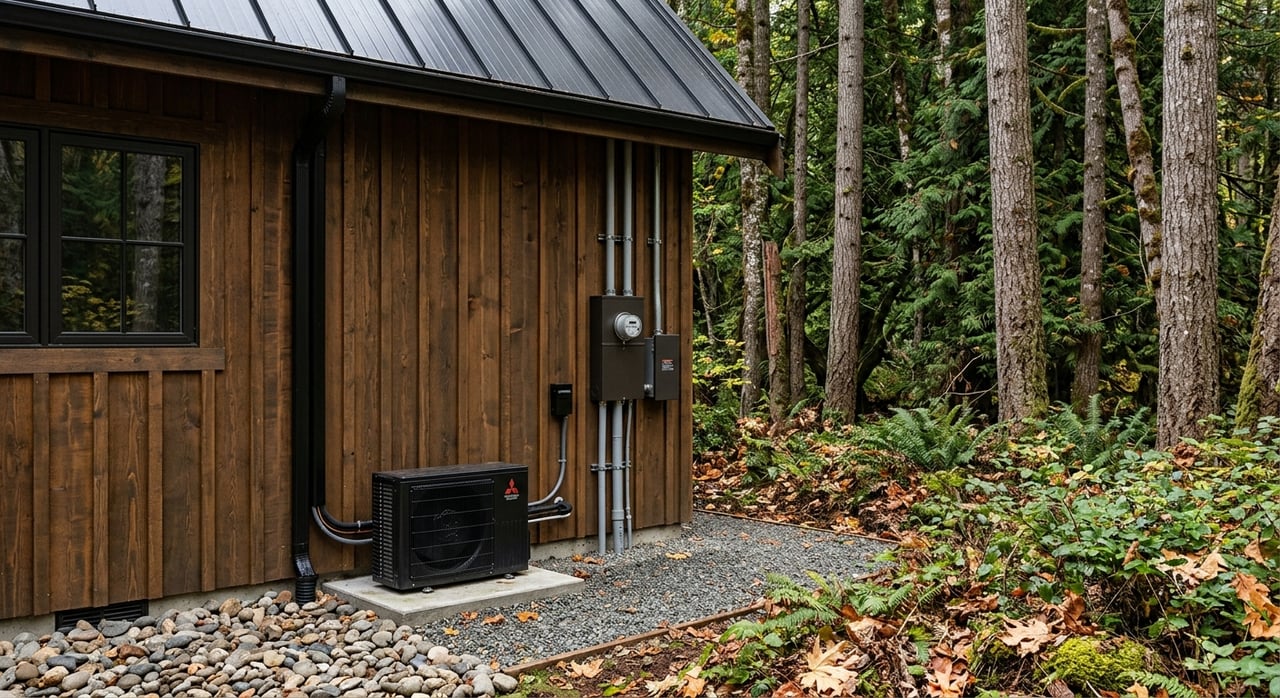
You can almost picture it now: a cozy timber cabin tucked under tall pines, a crackling fire on the deck, and that feeling of being off the grid without giving up comfort. If you’re looking at raw land around Battiest in McCurtain County, you’re not alone. The process can feel big at first, especially if you’re coming from the city or buying from out of state. This guide walks you through each step so you can move from raw dirt to finished retreat with confidence. Let’s dive in.
Know your area and contacts
Battiest is an unincorporated part of McCurtain County, so rules often come from county and state agencies rather than a city hall. Start by confirming your parcel’s exact location, legal description, and road access through the county’s records office. The county portal lists key contacts, including commissioners, the assessor, and the clerk, which is a great first stop for records and driveway questions. You can find those departments on the official McCurtain County portal.
Local fire protection is typically a volunteer fire department. Ask which VFD serves your tract and what they recommend for driveway width, turnarounds, and water access. This helps with insurance and defensible-space planning. You can also touch base with county emergency management through the same portal for flood and storm preparedness resources.
Choose the right tract
Access, easements, and taxes
Before you fall in love with a view, confirm deeded access or public road frontage and check for any utility easements that cross your preferred build site. The county clerk and assessor can help you pull plats and recorded easements. While you’re there, review the property’s tax classification to understand current and future obligations.
Soils, slope, and flood risk
Soils and slope decide septic options, driveway costs, and even your foundation type. Review the county’s soils mapping and limitations summarized in the McCurtain County soils survey resource. Next, check flood risk. A parcel in a mapped flood zone can change how you build and insure the property. Pull the Flood Insurance Rate Map through FEMA’s Map Service Center before you make an offer.
Vegetation and wildfire planning
Thick woods are part of the charm, but they affect budgets and safety. Note tree removal needs, brush density near the homesite, and where a safe, all-weather driveway can go. Ask the local VFD about recommended clearances and any preferred water supply strategies, like a cistern or pond access.
Plan water, septic, power, and internet
Water: rural district or private well
Parts of McCurtain County are served by rural water districts. If your tract falls in a service area, you may be able to apply for a meter. The Broken Bow/Hochatown area is served in part by McCurtain County Rural Water District No. 5, also called Hochatown Water. Start early by confirming boundaries and tap availability with Hochatown Water.
If you are outside a service boundary, plan on a private well. Oklahoma requires licensed drillers and pump installers, and wells must be registered. The Oklahoma Water Resources Board provides driller lookups and well guidance. Review local completion logs and consult a licensed professional through the OWRB wells and licensing page.
Septic: site-driven rules in Oklahoma
Most rural cabins in McCurtain County rely on on-site sewage systems. The Oklahoma Department of Environmental Quality oversees permits and requires a site and soil evaluation to determine allowed system types. Start your authorization process and confirm your system path using the DEQ’s On-Site Sewage Program.
Oklahoma State University Extension offers a clear summary of key rules that often shape lot choice. Typical guidance includes minimum lot sizes for many conventional systems and required setbacks from wells and water bodies. Read OSU’s overview on basic septic system rules before you lock in a homesite.
Power and internet
Rural electric service is available across most of the county, often through a cooperative. Ask about line extension costs, required easements, and scheduling, since a new pole run can be a major budget item. For internet, many cabin owners use satellite or fixed wireless. If reliable streaming or remote work is a must, plan for satellite as a practical fallback.
Roads and driveways
If you need a new driveway connection to a county road, check culvert, width, and sightline rules with the commissioners or road and bridge department. The county portal has contact information and can guide you to the right district. This early check prevents surprises when heavy equipment arrives.
Permits and who approves what
State vs. local roles
In unincorporated areas, there may not be a local building department. In those cases, the Oklahoma State Fire Marshal is often the authority for plan review and permits based on state-adopted codes. Confirm your path through the State Fire Marshal’s plan review page.
Other permits are handled at the state level. The DEQ issues septic authorizations after a site evaluation. Licensed well drillers register wells with the OWRB. Trade work for plumbing, electrical, and mechanical should be completed by pros licensed through the Oklahoma Construction Industries Board. You can verify licenses on the CIB site.
Recommended sequence
- Land survey and title checks, including access and easements.
- Preliminary site review: soils, slope, floodplain, and wetlands mapping.
- Septic site evaluation and DEQ authorization. Do not assume a conventional system until soils are tested.
- Confirm rural water service or schedule well drilling consults with an OWRB-licensed driller.
- Finalize building plans and submit to the local authority or State Fire Marshal for plan review.
- Arrange utility extensions, driveway installation, and site clearing to line up with inspections.
- Complete final inspections and obtain a Certificate of Occupancy where applicable.
Building for short-term rental potential
If you plan to host guests, set up compliance and safety from the start. Oklahoma taxes can apply to short-term rentals, and the state sales tax rules are administered by the Oklahoma Tax Commission. Confirm registration and remittance with the Oklahoma Tax Commission, and ask the county whether any local occupancy assessments apply.
Insurance and guest safety matter too. If your cabin sits in or near a flood zone, talk to your insurer about flood coverage. Add clear house rules on septic use, water conservation, trash removal, and quiet hours. Post an emergency contact list with the local VFD, sheriff, and nearest clinic, and include notes about cell service or internet backups.
Timeline and budget basics
Every tract is different, but a few patterns hold:
- Due diligence, soils, and flood checks often take 2 to 4 weeks.
- Septic evaluations and DEQ authorizations can range from 2 to 8 weeks or more, depending on backlogs.
- Well drilling and pump installation can take 1 to 6 weeks, depending on depth and scheduling.
- Power line extensions vary; start that conversation as soon as you go under contract.
- Small cabins often take 3 to 9 months from foundation to finish, weather and contractor load permitting.
Watch the usual budget wildcards: long driveways, heavy rock, high water tables that push you to engineered septic, extended power runs, and dense tree clearing. Build a cushion for utilities and site work, since those items are the most likely to shift.
Your local pro team
Who you will need
- Licensed well driller and pump installer familiar with area depths and yields via the OWRB wells and licensing.
- DEQ-certified or DEQ-approved septic designer/installer guided by the On-Site Sewage Program.
- Licensed electrician, plumber, and mechanical contractor verified through the Oklahoma CIB.
- Local excavator for driveway, culvert, and pad prep, and a tree service if the tract is heavily wooded.
- A builder or general contractor with recent cabin references and comfort submitting to the State Fire Marshal when needed.
How to vet bids
Request line-item estimates that separate clearing, grading, drainage, septic, well, power extension, foundation, and finishes. Require a written schedule, payment milestones tied to inspections, and a clear change-order process. Verify insurance, references, and license status before you sign.
Quick buyer checklist
Before you make an offer
- Pull title info and confirm recorded access and easements. Start with the McCurtain County portal.
- Review soils and slope constraints and check FEMA flood maps through the Map Service Center.
- Call the rural water district to confirm service or plan for a well with an OWRB-licensed driller.
- Check with county contacts on driveway and culvert standards and whether any local approvals are needed.
After you go under contract
- Order a septic pre-evaluation and request a feasibility letter following the OSU septic rules summary.
- If you need a well, line up bids and review nearby well logs with a pro via the OWRB.
- Confirm your plan review path with the State Fire Marshal if there is no local building department.
- Register for short-term rental taxes, if applicable, with the Oklahoma Tax Commission.
Ready to turn your McCurtain County land into a cabin that actually works for how you live, relax, or host? Partner with a local who does this every day. Reach out to Teresa Bartlett for land intel, builder introductions, and a clear, step-by-step plan from contract to cabin.
FAQs
What permits do I need to build a cabin in unincorporated Battiest, OK?
- Expect DEQ septic authorization if using on-site sewage, plan review through the State Fire Marshal if there is no local building department, and licensed trade permits via the CIB.
How do I get water service to rural land in McCurtain County?
- First check if your tract lies in a rural water district service area like Hochatown Water; if not, plan for a private well installed by an OWRB-licensed driller.
What septic system rules apply to small lots in Oklahoma?
- System type and sizing depend on soils and setbacks; OSU notes typical lot-size guidance and DEQ requires a site evaluation before authorizing your system type.
Who reviews building plans for cabins near Battiest if there’s no city office?
- The Oklahoma State Fire Marshal typically performs plan review and issues permits where no local authority exists.
How long does it take to drill a well near Battiest?
- After you select a licensed driller, scheduling and installation often range from 1 to 6 weeks depending on depth, access, and seasonal demand.
Do I owe taxes on short-term rental income from a McCurtain County cabin?
- State sales tax and lodging-related taxes may apply; confirm registration and remittance with the Oklahoma Tax Commission and check for any local assessments.
