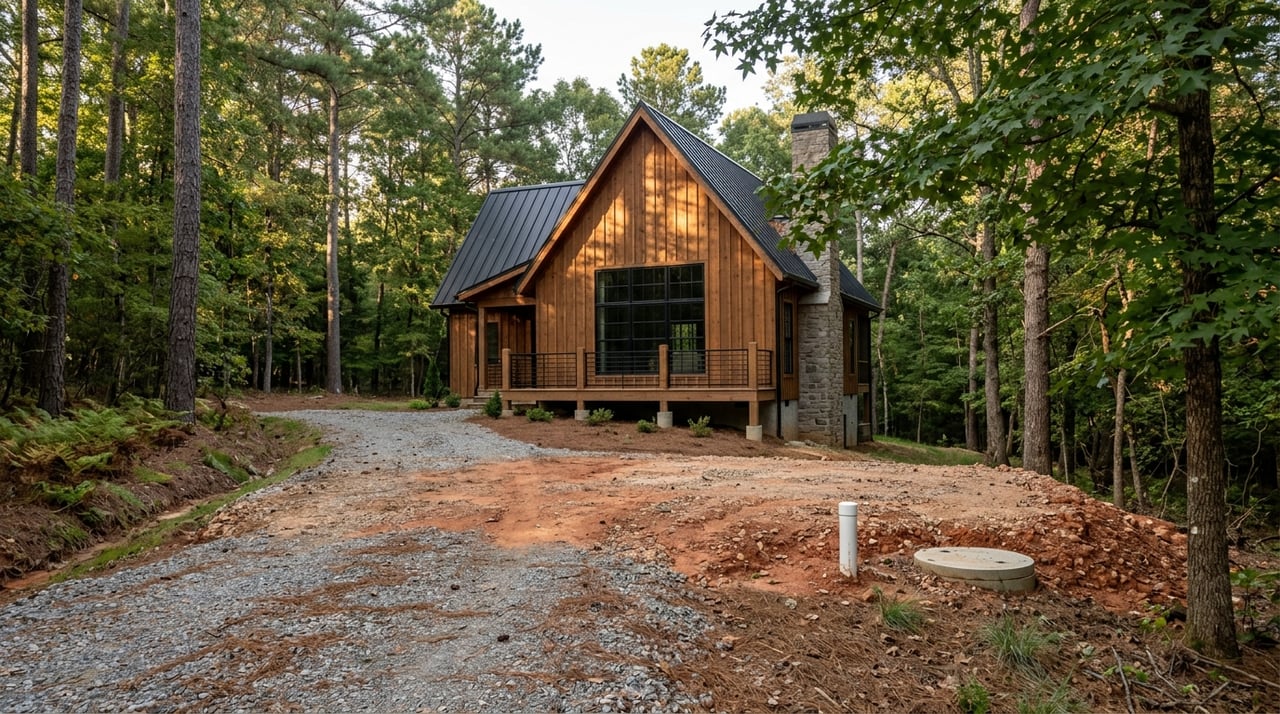
If you are thinking about buying land near Garvin, the view is only part of the story. A beautiful tract can still come with questions about access, water, septic, flood risk, and what you can realistically do with the property. The good news is that when you know what to check before closing, you can shop with a lot more confidence. Let’s dive in.
Why Garvin land feels different
Garvin is part of a very rural market, and that shapes the buying process from day one. The Oklahoma Department of Transportation city map lists Garvin’s 2020 population at 177, and McCurtain County has a low population density compared with more built-up markets.
That matters because land near Garvin often works more like a functioning rural site than a standard lot in a subdivision. You may be looking at private wells, septic systems, gravel roads, timber, pasture, or mixed-use acreage instead of public utilities and simple lot lines.
Start with legal access
One of the first things you want to confirm is how you legally reach the property. A road may appear open and usable, but that does not automatically tell you who maintains it or whether the access is fully documented.
The ODOT city map shows roads that are open to public travel in Garvin, but it also states that road placement does not determine maintenance responsibility. If a tract is reached by an unpaved road, shared driveway, or gravel lane, you should verify whether the county maintains it, whether there is a recorded access easement, and what access looks like in wet weather.
Questions to ask about access
- Is there recorded legal access to the tract?
- Who maintains the road or drive?
- Is the road passable year-round?
- Are there any shared-use agreements that affect entry?
- Does the current survey match the actual driveway location?
For recreational land, cabin sites, or future homesites, access can affect financing, construction, and daily usability. A pretty parcel is much easier to enjoy when you know exactly how you get in and out.
Check title, records, and easements
Rural land buyers should not rely on assumptions about ownership details. OSU Extension says title search, title insurance, and a complete abstract are usually essential, and McCurtain County’s clerk office serves as the registrar of deeds and custodian of records.
That means the county records are a key part of your review. You want to look for liens, easements, reservations, and other recorded items that could affect how you use the property.
Why easements matter on acreage
An easement may allow a road, utility line, pipeline, or other use to cross the property. OSU also notes that if mineral rights have been severed, drilling may occur without the surface owner’s consent.
This is especially important if you are buying land for privacy, building, or recreation. The acreage count may look right on paper, but the usable area can change if easements or reservations affect where you can build or improve the tract.
Survey the land, not just the listing
A listing photo can show you the feel of a property, but it cannot replace a current survey or clear legal description. Oklahoma rules require a written legal description that can distinguish the tract from adjoining land and locate it on the ground.
That is one reason surveys matter so much on small acreage. You want to know where the fences sit, whether the driveway crosses neighboring land, and if any paths or temporary roads have become legally significant over time.
What a survey helps you confirm
- Boundary lines
- Encroachments
- Fence placement
- Shared access points
- Easement locations
- Buildable area
For out-of-area buyers especially, a boundary survey can help turn a vague online impression into a property you can truly evaluate.
Understand water options early
Water is one of the first practical questions to answer on land near Garvin. A rural water district connected to the area exists, with state audit material identifying McCurtain County Rural Water District #7 as operating a potable water distribution system in McCurtain County.
Still, that does not mean every parcel can be connected easily or at all. For any specific tract, you should confirm whether it falls within the service area and ask about connection costs, capacity, and any limitations.
If the property uses a well
A private well brings a different set of questions. OSU says well owners are responsible for water quality and recommends annual testing for nitrates, total dissolved solids, pH, and fecal coliform.
If a well already exists, try to learn its condition, yield, and testing history. The presence of a well is helpful, but it does not tell you everything you need to know about long-term reliability.
Septic and soils can shape the deal
For many land and small acreage purchases near Garvin, septic feasibility is a major issue. If public sewer is not available, a septic system is usually required, and the site must meet Oklahoma rules before installation or modification.
OSU guidance says that when public water is used, the typical minimum lot size is 0.5 acres. If a private well is used, the typical minimum lot size is 0.75 acres. New septic installations or modifications need authorization from the Oklahoma Department of Environmental Quality before work begins.
Why soil and topography matter
The land has to support the system you plan to use. OSU recommends looking closely at slope, drainage, flooding or ponding, depth to restrictive layers or the water table, and general soil conditions.
This is one reason raw land should be evaluated as a site, not just as acreage. A five-acre tract with poor soils in the wrong area may be less practical than a smaller parcel with better conditions for building and septic.
Review flood risk separately
Never assume the listing description tells the full flood story. FEMA’s Flood Map Service Center is the official public source for flood hazard information, and it is the right place to review streamside, bottomland, and other low-lying parcels.
Flood risk is not only about whether a property looks wet on showing day. It can affect where you build, how you insure improvements, and whether parts of the tract are more useful for recreation than for a homesite.
Match the parcel to your real goal
The best land purchase is not just attractive. It fits what you want to do with it. Near Garvin, that could mean a future home site, a cabin retreat, a hobby farm, a small recreational tract, or a long-term land hold.
OSU describes rural land as a system of soils, water, and plants. That is a helpful way to think about it, because the right property for pasture or gardening may be very different from the right property for a wooded getaway or future build.
For a future homesite
Focus on the buildable area, not just total acreage. Look at access, utilities, septic suitability, drainage, and where improvements could realistically go.
Existing trees and natural features can add value and appeal, but they also affect grading, construction, and placement. It helps to picture the actual house site, driveway, septic area, and utility setup before you commit.
For recreation or a cabin site
Scenery matters, but resilience matters too. OSU notes that rural power can go out more often and stay off longer, so practical access and backup planning are worth considering.
McCurtain County emergency management also handles storm spotting, flood watches, tornado alerting, hazardous-material response, and road closings. That makes emergency access and weather-related downtime worth checking before you buy.
For a hobby farm or small ag use
You will want to know whether the land’s soils, water, and plant cover fit your intended use. If you are thinking about pasture, gardens, livestock, or timbered acreage, the tract should be evaluated with those goals in mind.
This is where local guidance and good upfront review can save you time and money. The right parcel is the one that supports your actual plans, not just the one with the best photos.
A smart land-buying checklist
Before closing on land or small acreage near Garvin, make sure you have clear answers to these points:
- Legal access to the property
- Road maintenance responsibility
- Survey or precise legal description
- Title review and recorded easements
- Mineral reservations or other use limitations
- Rural water availability or well details
- Septic feasibility and lot-size requirements
- Soil, slope, and drainage review
- Flood map review
- Buildable area for your intended use
For many buyers, especially those coming from outside the area, the biggest advantage is having all of these pieces organized in one place. When you can review assessor data, county clerk records, survey details, flood maps, soil information, and utility confirmations together, it becomes much easier to see whether a tract truly fits your plans.
If you are exploring land, small acreage, or future build opportunities in Garvin or elsewhere in McCurtain County, working with a local expert can help you ask better questions before you ever get to the closing table. When you are ready to take the next step, connect with Teresa Bartlett for practical, locally grounded guidance on land and acreage in the Broken Bow region.
FAQs
What should you verify before buying land near Garvin?
- You should confirm legal access, title status, easements, survey details, water availability, septic feasibility, flood risk, and whether the land fits your intended use.
How do rural water service questions work for Garvin acreage?
- A rural water district tied to the area exists, but you need to verify whether a specific parcel is actually in the service area and what connection costs or limits may apply.
Why is a survey important for small acreage near Garvin?
- A survey helps confirm boundaries, fences, access points, and easement locations so you can better understand what you are actually buying and where improvements may fit.
What septic rules matter for land in Oklahoma?
- If public sewer is unavailable, a septic system is usually required, and lot size, soils, water source, and DEQ authorization can all affect whether the site works for your plans.
How can you check flood risk for land near Garvin?
- You can review official flood hazard information through FEMA’s Flood Map Service Center, which is especially important for low-lying, streamside, or bottomland parcels.
What makes buying rural land in McCurtain County different?
- Rural land often involves more site-specific review than a typical in-town lot, including access, wells or rural water, septic, soils, easements, and weather-related access considerations.
