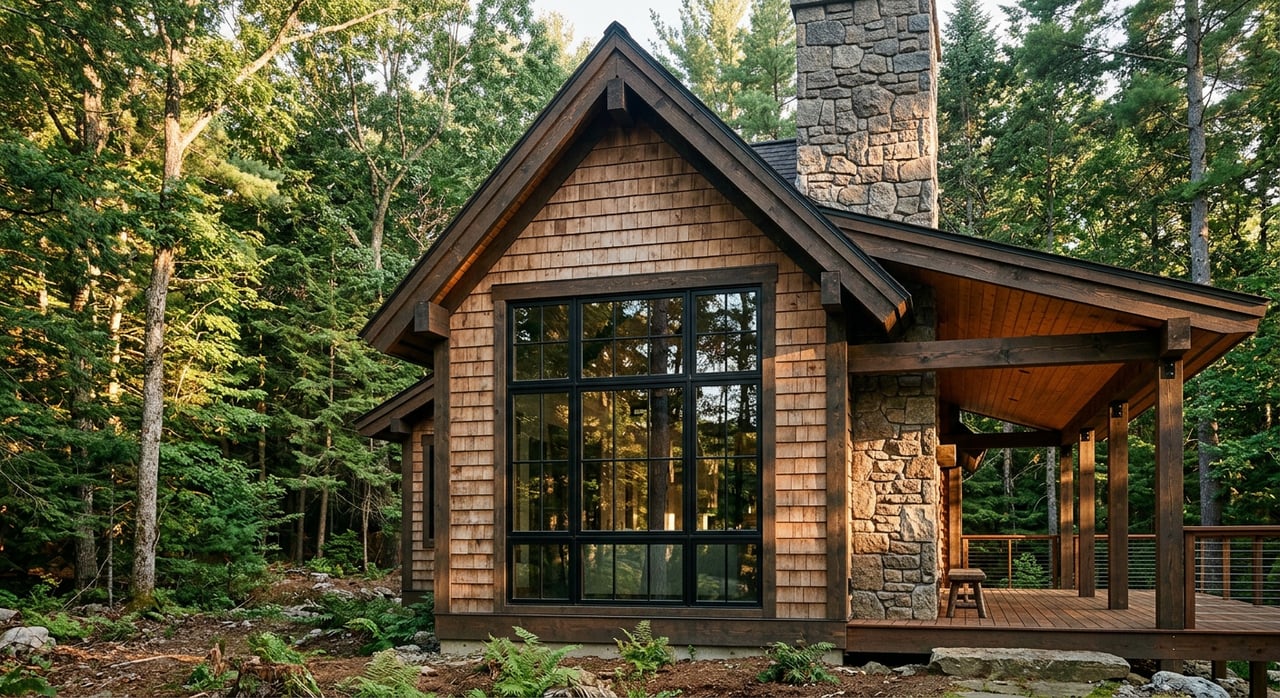
Picture yourself on a quiet porch under tall pines, coffee in hand, with Broken Bow adventures a short drive away. If you’re thinking about a cabin, small homestead, or timber tract near Eagletown, you’re not alone. Buyers come for the river life, hunting access, and the chance to own wooded acreage with long‑term potential. In this guide, you’ll learn how the area is laid out, what kinds of properties are common, and what to check before you buy. Let’s dive in.
Location and access
Eagletown is an unincorporated community in McCurtain County, set along the east‑west corridor that connects Broken Bow to the Arkansas line. It sits close to the Oklahoma–Arkansas border, which makes day trips into southwest Arkansas straightforward.
- US 70 is the primary paved route linking Eagletown to Broken Bow and into Arkansas.
- Many parcels near US 70 are roughly a 10–20 minute drive to services in Broken Bow, depending on your exact start and end points.
If you’re new to the area, start by confirming the exact drive time from a target parcel to your most important stops, like groceries, marinas, or trailheads. The goal is a property that fits your routine without long gravel miles when the weather turns.
Learn more about the community’s status and setting in the Eagletown entry on Wikipedia.
Forest and timber value
This part of McCurtain County lies near the Ouachita and Piney Woods transition, where forests are a mix of pine and hardwood. You’ll see loblolly and shortleaf pine on uplands, with oak and hickory along benches and stream corridors. That mix shapes both recreation and the long‑term value of a tract. For a deeper look at these forests, see the USDA ecoregions overview.
Timber is a major part of the regional economy. Large corporate and private holdings support local mills and forest‑products facilities, which helps underpin demand for merchantable pine and hardwood. That context matters when you’re weighing a recreational buy with potential harvest value. For background, review the region’s forest‑economy profile described by Grow Choctaw.
What you’ll find on the market
Listings around Eagletown often fall into a few clear categories:
- Turnkey cabins, from cozy one‑bedroom retreats to larger lodges.
- Small homesteads with barns, ponds, or pasture plus wooded acreage.
- Managed pine plantations and family‑owned timber tracts.
- Raw wooded parcels marketed for future cabin sites or timber investment.
Many cabins are positioned for short‑term rentals, which can influence pricing. If you plan to host guests, make sure infrastructure and approvals match your intended occupancy.
Utilities and sitework essentials
Getting utilities right can save you time and money. Here’s what to confirm early.
Water wells
Many rural tracts use private wells. Oklahoma well drillers are licensed through the Oklahoma Water Resources Board. Ask for well logs, depth, yield, and water quality, and factor in drilling or rehabilitation costs if no well exists. Find rules and data at the Oklahoma Water Resources Board.
Septic systems
Most cabins rely on on‑site sewage systems. Permits and installer certifications are regulated by state and local health authorities. Septic capacity can limit legal occupancy, which is critical if you intend short‑term rental use. Request records for permits and installations, and verify any occupancy approvals. A helpful state overview is available via Oklahoma septic regulations.
Power and internet
Electric service is common along major roads, while more remote tracts may be off‑grid. Broadband options include fixed wireless, local co‑ops, and satellite providers. Cellular coverage can be spotty in places, so run an address‑level check before you depend on it for remote work or hosting. Start with an availability snapshot on BroadbandChecked for Eagletown.
Roads and easements
Expect a mix of county‑maintained gravel and private lanes as you move away from US 70. Gate agreements, maintenance obligations, and recorded easements all matter. In wet weather, unimproved roads can slow access. Get clarity on who maintains your route in and what it costs.
Rivers, lake, and public lands
Mountain Fork River and lake access
The Mountain Fork River is a major draw, with canoeing, kayaking, and year‑round trout fishing below the dam near Broken Bow. The upper river flows from Hatfield, Arkansas into Broken Bow Lake, and outfitters in the Broken Bow area can help with gear and guided trips. For context on the river’s course and recreation value, see the Mountain Fork River overview.
Three Rivers WMA and Glover River
The Three Rivers Wildlife Management Area, along with adjacent Honobia, provides expansive hunting access across parts of McCurtain and Pushmataha counties. Much of the land is privately owned but opened to the public through state lease agreements, so permits and area rules apply. Before planning any hunt or scouting trip, review the ODWC Three Rivers WMA page for current access requirements.
Game species context
McCurtain County consistently shows solid deer harvest numbers in statewide reports, and the region supports turkey, small game, and seasonal waterfowl. Black bear populations are present with specific season and permit rules. Always check the latest ODWC big game harvest reports and current regulations.
Short‑term rentals in the area
Broken Bow, Hochatown, and the Beavers Bend corridor have a visible short‑term rental market with established managers and booking channels. STR potential can help a cabin carry itself, but it also brings operating requirements like tax collection and, in some cases, local registrations. Septic capacity and site design can limit legal guest counts. For market perspective and operations context, explore resources from Broken Bow property managers, then verify licensing and tax details with county and state authorities before you buy.
Buyer checklist for Eagletown parcels
Use this quick list to focus your due diligence.
- Confirm location and access
- Get parcel coordinates and a legal description. Verify deeded or recorded easement access, and whether the road is county maintained or private.
- Water and septic documentation
- Request well logs and water‑quality data. Ask for septic permits and installation records. Start with guidance from the Oklahoma Water Resources Board and the state’s on‑site sewage overview.
- Timber and revenue considerations
- If timber value matters, ask for a timber cruise or inventory. Confirm any cutting rights, harvest restrictions, and mineral ownership. Clarify existing leases or management agreements.
- Hunting and WMA adjacency
- If access to public hunting is a priority, determine whether your parcel borders a WMA and what permits apply. Review the Three Rivers WMA rules.
- Flood risk and insurance
- For riverfront or low‑lying tracts, check flood maps and consider an elevation certificate. Flood zone status can affect financing, insurance, and buildability.
- Title, minerals, and tribal status
- Confirm fee title, mineral rights, easements, and any special status. McCurtain County is within the Choctaw Nation service area, so ask your title company to flag any tribal‑related encumbrances and consult the Choctaw Nation directory if needed.
- STR and occupancy rules
- Verify county rules and any local STR requirements. Match your target occupancy to septic capacity and parking.
- Broadband and phone checks
- Run address‑level speed tests and verify cellular reliability. See the Eagletown broadband snapshot to start, then test at the property.
- Nearby services and response times
- Identify your nearest hospital, urgent care, and EMS coverage. Ask local authorities or neighbors about typical response times for your road.
Next steps
Whether you want a quiet homestead, a timber‑and‑recreation tract, or a STR‑ready cabin close to Broken Bow, the Eagletown corridor offers options. The key is pairing lifestyle goals with practical due diligence on access, utilities, and use rules. If you’re ready to tour properties, compare submarkets, or price your land or cabin, connect with a local expert who brings both outdoor credibility and strong marketing.
Have questions or want a custom list of current opportunities? Reach out to Teresa Bartlett for buyer and seller representation, land and development guidance, and premium listing marketing.
FAQs
How close is Eagletown to Broken Bow for daily needs?
- Many parcels near US 70 are roughly 10–20 minutes from Broken Bow, depending on exact start and end points and road conditions.
What forest types should I expect near Eagletown?
- You’ll see mixed pine‑hardwood stands, with loblolly and shortleaf pine on uplands and oak‑hickory in draws, typical of the Ouachita region.
Can I rely on well and septic for a vacation cabin?
- Yes, many cabins use private wells and on‑site septic, but you should verify well logs, water quality, and septic permits and capacity during due diligence.
Is short‑term rental demand strong near Eagletown?
- The Broken Bow and Hochatown area has an active STR market with established managers, but you should confirm taxes, permits, and septic‑based occupancy limits before operating.
Where can I hunt near Eagletown?
- Three Rivers WMA and adjacent areas offer large hunting landscapes, but ODWC permits and specific WMA rules apply, so check current regulations first.
What drives timberland value in this area?
- Stand age, species mix, road frontage, and access to mills influence value, supported by the region’s forest‑products economy and buyer demand for recreation plus timber potential.
